Our health and wellness are even more important now than ever. Keeping active has multiple benefits from improving our mental health and boosting our physical ability to increasing lung capacity and strengthening our immune system.
What's more, we're all dying to get our doors and enjoy some of this glorious spring sunshine.
This week Gertjan share with us a great running app, Runkeeper, to help get us all outdoors. The app makes it easy to set running goals, start training, and stay motivated alongside friends
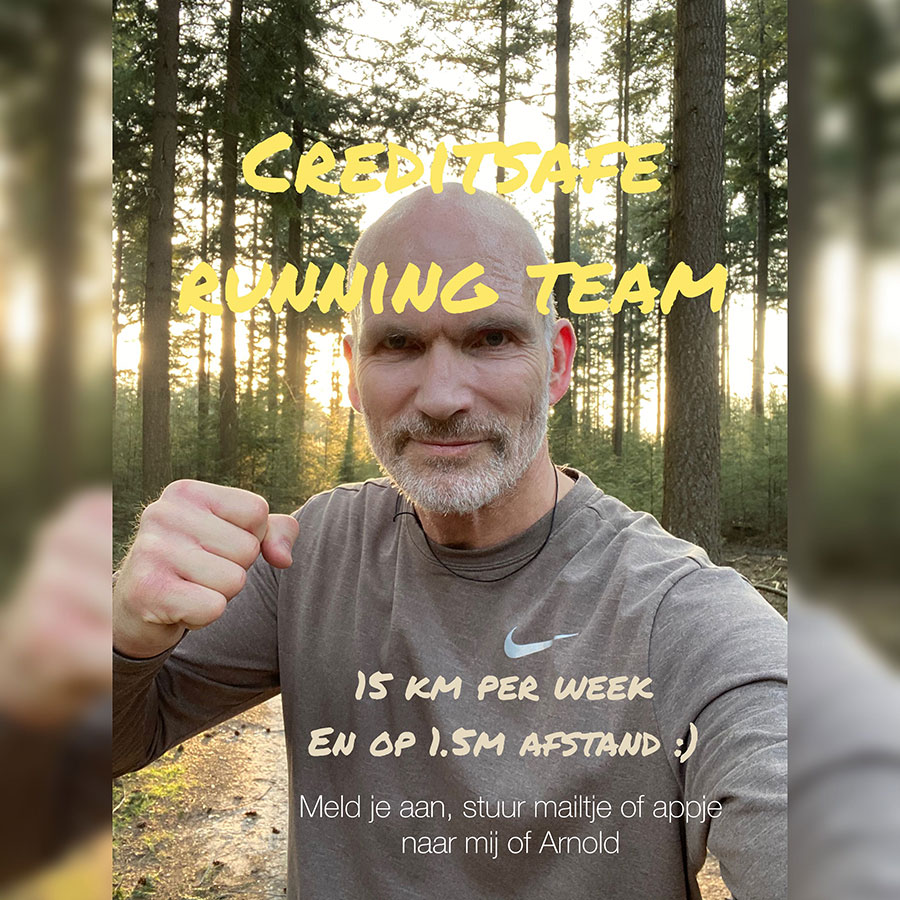
When you have the app, simply invite Gertjan Kaart as a friend in Runkeeper. Once you're in the group, everyone in there can see the runs completed and give you a thumbs-ups. Alternatively, post your run in slack or send it in the whastapp group we started. “CS Running Team’.
Arnold Brouwer and Gertjan Kaart are the admins of that app group (now 15 in) and so we can add everyone who wants to join.
No stress, relax, just fun and support!
Join Gertjan in his 15km per week challenge
Download Runkeeper today to start running just 15km per week and spread them out as you like.
New to running? Don't worry
Why not try the couch to 5k plan?
The programme is designed for beginners to gradually build up their running ability so they can eventually run 5km without stopping.
The pace of the 9-week running plan has been tried and tested by thousands of new runners.
You can, however, repeat any one of the weeks until you feel physically ready to move on to the next week.
Structure is important for motivation, so try to allocate specific days of the week for your runs and stick to them.
Week 1
For your 3 runs in week 1, you will begin with a brisk 5-minute walk, then alternate 1 minute of running and 1-and-a-half minutes of walking, for a total of 20 minutes.
Week 2
For your 3 runs in week 2, you will begin with a brisk 5-minute walk, then alternate 1-and-a-half minutes of running with 2 minutes of walking, for a total of 20 minutes.
Week 3
For your 3 runs in week 3, you will begin with a brisk 5-minute walk, then 2 repetitions of 1-and-a-half minutes of running, 1-and-a-half minutes of walking, 3 minutes of running and 3 minutes of walking.
Week 4
For your 3 runs in week 4, you will begin with a brisk 5-minute walk, then 3 minutes of running, 1-and-a-half minutes of walking, 5 minutes of running, 2-and-a-half minutes of walking, 3 minutes of running, 1-and-a-half minutes of walking and 5 minutes of running.
Week 5
There are 3 different runs this week:
Run 1: a brisk 5-minute walk, then 5 minutes of running, 3 minutes of walking, 5 minutes of running, 3 minutes of walking and 5 minutes of running.
Run 2: a brisk 5-minute walk, then 8 minutes of running, 5 minutes of walking and 8 minutes of running.
Run 3: a brisk 5-minute walk, then 20 minutes of running, with no walking.
Week 6
There are 3 different runs this week:
Run 1: a brisk 5-minute walk, then 5 minutes of running, 3 minutes of walking, 8 minutes of running, 3 minutes of walking and 5 minutes of running.
Run 2: a brisk 5-minute walk, then 10 minutes of running, 3 minutes of walking and 10 minutes of running.
Run 3: a brisk 5-minute walk, then 25 minutes of running with no walking.
Week 7
For your 3 runs in week 7, you will begin with a brisk 5-minute walk, then 25 minutes of running.
Week 8
For your 3 runs in week 8, you will begin with a brisk 5-minute walk, then 28 minutes of running.
Week 9
For your 3 runs in week 9, you will begin with a brisk 5-minute walk, then 30 minutes of running.
Rest days
Rest days are critical. Having one between each week's runs will reduce your chance of injury and also make you a stronger, better runner.
Resting allows your joints to recover from what is a high-impact exercise, and your running muscles to repair and strengthen.
Alternatively, you could do Strength and Flex on your rest days. This is a 5-week plan designed to improve your strength and flexibility, which will help your running.
Aches and pains
Some new runners starting the programme experience calf pain or sore shins (sometimes known as shin splints).
Such aches can be caused by running on hard surfaces or by running in shoes that do not have enough foot and ankle support.
Always do the 5-minute warm-up walks as instructed in the podcasts before each run, and check that your running shoes are offering good support.
For more information on preventing and treating injuries, read the NHS's page on sports injuries.
You will have good runs and bad runs – accept it, and don't spend too much time analysing the how and why. Even a bad run is good for you.